 Skip to content
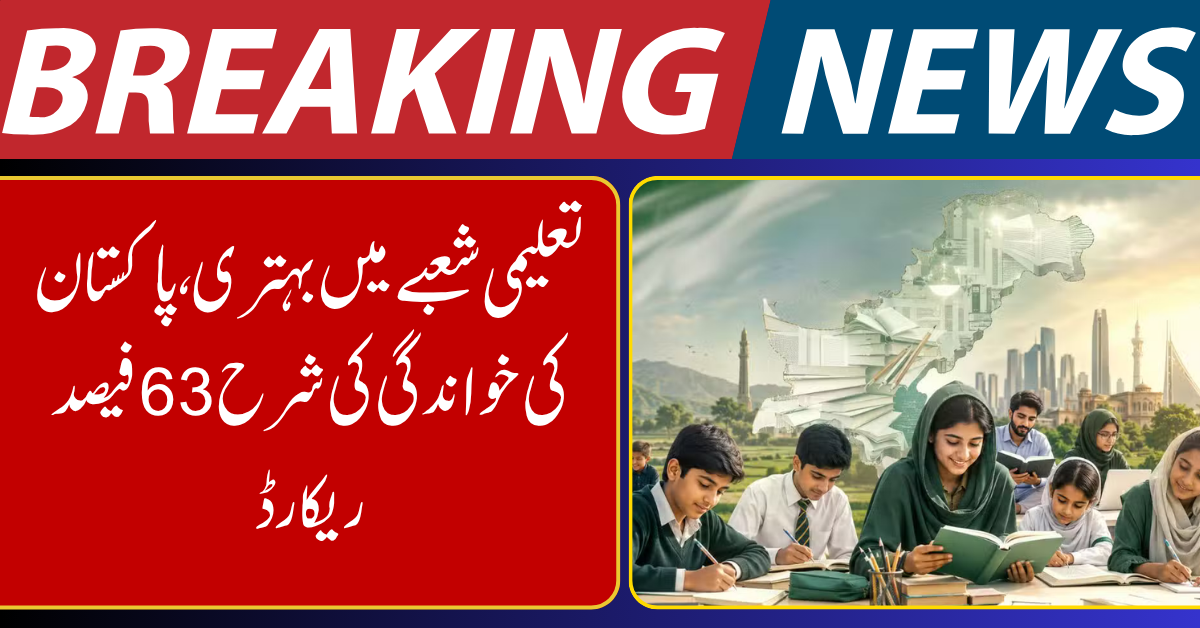
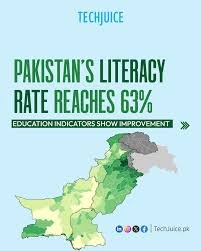
Pakistan has recorded a notable improvement in its literacy rate, with the latest figures showing that 63 percent of the population can now read and write. The increase reflects gradual progress in the education sector and highlights efforts aimed at expanding access to learning opportunities across the country.
According to the latest findings presented in the Pakistan Economic Survey, literacy levels have improved compared to previous years. The development is being viewed as a positive sign for the country’s human capital, economic growth, and workforce development. Education experts believe that higher literacy levels can contribute to better employment opportunities, increased productivity, and stronger social development.
Read More: 9th Class Result BISE Peshawar 2026
Despite the improvement, significant challenges remain. A major gap continues to exist between urban and rural areas. Literacy rates in cities are considerably higher than those in villages, where access to quality schools, trained teachers, and educational facilities remains limited. Many rural communities still struggle with school shortages, inadequate infrastructure, and lower enrollment rates.
Gender disparities also continue to affect educational outcomes in several regions. While progress has been made in increasing school participation, experts emphasize that further efforts are needed to ensure equal learning opportunities for both boys and girls.
Government spending on education has increased in recent years, but education experts argue that investment levels remain below what is needed to achieve long-term national targets. Improved funding, modern teaching methods, digital learning resources, and teacher training programs are considered essential for sustaining literacy growth.
Read More: BISE Rawalpindi 9th Class Result Gazette 2026 PDF Download
Education plays a key role in reducing poverty, improving living standards, and strengthening economic competitiveness. A more literate population is better equipped to participate in the digital economy, access higher-paying jobs, and contribute to national development.
Analysts say Pakistan’s rising literacy rate is an encouraging step, but continued reforms will be necessary to maintain momentum. Expanding educational access in underserved areas, improving learning quality, and increasing public investment remain critical priorities for achieving stronger educational outcomes in the years ahead.
The latest literacy figures demonstrate that progress is being made, but they also highlight the work still required to ensure that every child and adult has access to quality education and the opportunity to build a better future.
Hi
9th