WhatsApp Floating Button - Right Center Get Update WhatsApp

Punjab Higher Education Staff Could Receive Record Salary Hike

Punjab Higher Education Staff Could Receive Record Salary Hike

The Punjab Higher Education Commission (PHEC) has proposed a major salary increase for its officers and staff, potentially ranging between 75% and 85%. If approved, this would make monthly salaries among the highest for provincial employees.

Under the proposal, a Director could earn around Rs700,000 per month, while a Director General may receive Rs647,000. Senior officials are expected to get Rs400,000 to Rs600,000 monthly. The total financial impact is estimated at Rs280–300 million per year, covering 114 employees only.

Punjab is already under pressure in education, health, and infrastructure budgets, and the proposal is reportedly moving forward without approval from the Finance or Higher Education Departments. Similar past proposals were halted due to rule violations.

PHEC staff already receive perks including a 150-liter fuel allowance, comprehensive medical benefits, and a 20% annual increment, making their current compensation higher than that of many comparable provincial bureaucrats.

Critics warn that this move could strain provincial resources further and raise concerns about fairness and budget priorities, especially in a province facing significant fiscal constraints.

Punjab Launches Smart App to Track Teachers’ Classroom Performance

Punjab Launches Smart App to Track Teachers’ Classroom Performance

The Punjab Education Department has rolled out a digital app to monitor teachers’ performance in classrooms. Named the Teaching Practice Analysis Form, the mobile-based system is linked to the HRMS portal and allows teachers to submit daily teaching records online.

Each teacher is required to upload a short classroom video with a file size limit of 5 MB, replacing traditional manual reporting. Officials say the app will improve transparency, accountability, and consistency across schools in Punjab.

The initiative also coincides with a Rs. 4.21 billion stipend program for over 8,000 college teacher interns. Interns will gain hands-on teaching experience and receive official certificates after completing the program.

Monthly stipends are Rs. 55,000 for intermediate-level interns (7 months) and Rs. 65,000 for BS-level interns (10 months). Special seats have been reserved for minorities, persons with disabilities, and transgender individuals, promoting inclusion in the education sector.

This digital move aims to standardize teacher performance monitoring and provide a modern framework for evaluating classroom skills province-wide.

Government Plans Mental Health Support Under New Student Drug Policy

Government Plans Mental Health Support Under New Student Drug Policy

The government is moving toward a softer, health-focused approach to student drug issues under a new bill discussed in the National Assembly Standing Committee on Interior. The proposal aims to protect students while addressing substance abuse early.

Presented by PPP MNA Sahar Kamran, the bill shifts attention away from punishment and toward mental health, counseling, and recovery. The goal is to reduce drug use in educational institutions without harming a student’s future.

Under the plan, students may voluntarily opt for drug screening when applying to colleges or universities. Testing would be non-invasive, carried out by approved medical institutions, and only with written consent.

A positive result would not affect admission. Instead, students would be offered confidential medical assessments and, if they agree, access to free counseling and rehabilitation services.

The bill also requires all educational institutions to appoint trained student counselors. These counselors will guide students, raise awareness, and connect them with mental health support.

Overall, the policy focuses on prevention, dignity, and long-term student wellbeing.

Students Get Relief as Class 8 Exams Are Postponed

Students Get Relief as Class 8 Exams Are Postponed

Students across Balochistan have received relief after authorities postponed the Class 8 board examinations amid harsh weather in several districts.

The Balochistan Education Department said the decision was taken in view of heavy rainfall and extreme cold, which made travel unsafe for students and staff.

Officials confirmed that student safety and accessibility remained the top priority, especially in weather-affected and remote areas.

The postponed exams will now begin from February 6, allowing time for conditions to improve and schools to prepare properly.

A revised date sheet has already been finalized, and District Education Officers have been instructed to inform schools, parents, and students without delay.

Education officials are coordinating with schools to ensure smooth implementation of the updated schedule and avoid further disruption.

Parents have been advised to stay in touch with schools and follow official updates, while institutions have been directed to manage exam arrangements efficiently.

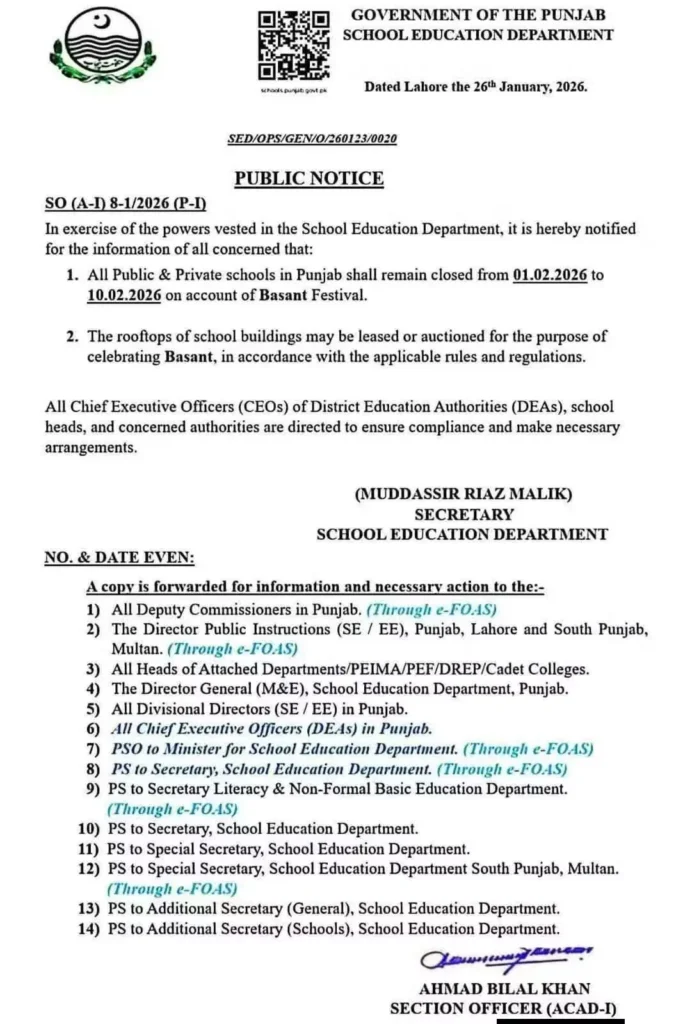
Are Punjab Schools Really Closing for 10 Days Due to Basant?

Are Punjab Schools Really Closing for 10 Days Due to Basant

A claim spreading rapidly on social media says Punjab schools will close for 10 days in early February because of Basant. The message suggests holidays from February 1 to February 10, 2026, causing confusion among parents and students.

The viral notice is being shared as an official order of the Punjab School Education Department. It falsely claims that both public and private schools will remain closed during this period.

The message also mentions unusual instructions, including permission to lease or auction school rooftops for kite flying. It further directs education officials and school heads to enforce the alleged orders.

However, no such notification has been issued by the Punjab government. Schools across the province are operating according to their regular academic schedule.

The Punjab Education Department has not announced any Basant-related holidays. Education Minister Rana Sikandar Hayat has also made no statement confirming school closures.

Authorities have termed the notice fake and misleading, advising parents to trust only official government sources.

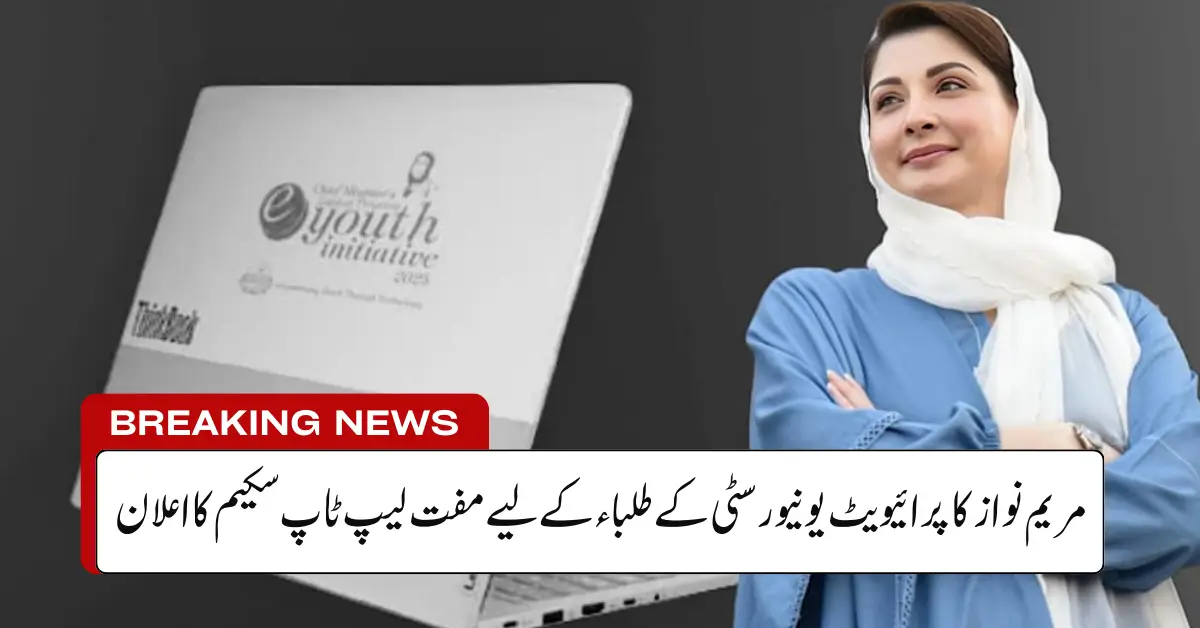
Maryam Nawaz Announces Free Laptop Scheme for Private University Students

Punjab Extends Free Laptop Scheme to Private University Students

Punjab Chief Minister Maryam Nawaz has announced that the provincial free laptop scheme will now include private university students. The move aims to make digital learning accessible to more students across the province.

The announcement came on the International Day of Education, with CM Nawaz emphasizing that education is a right, not a privilege. Previously, the scheme was limited to students of public universities only.

To qualify, private university students must have secured at least 65% marks in their studies. The initiative aims to boost learning, promote digital inclusion, and support students’ academic performance.

Applications are now open online, and students can apply through the official portal: cmlaptophed.punjab.gov.pk. The government hopes this step will empower students and enhance opportunities for higher education in Punjab.

This scheme reflects Punjab’s commitment to providing equal access to educational resources and preparing students for a digitally connected world.

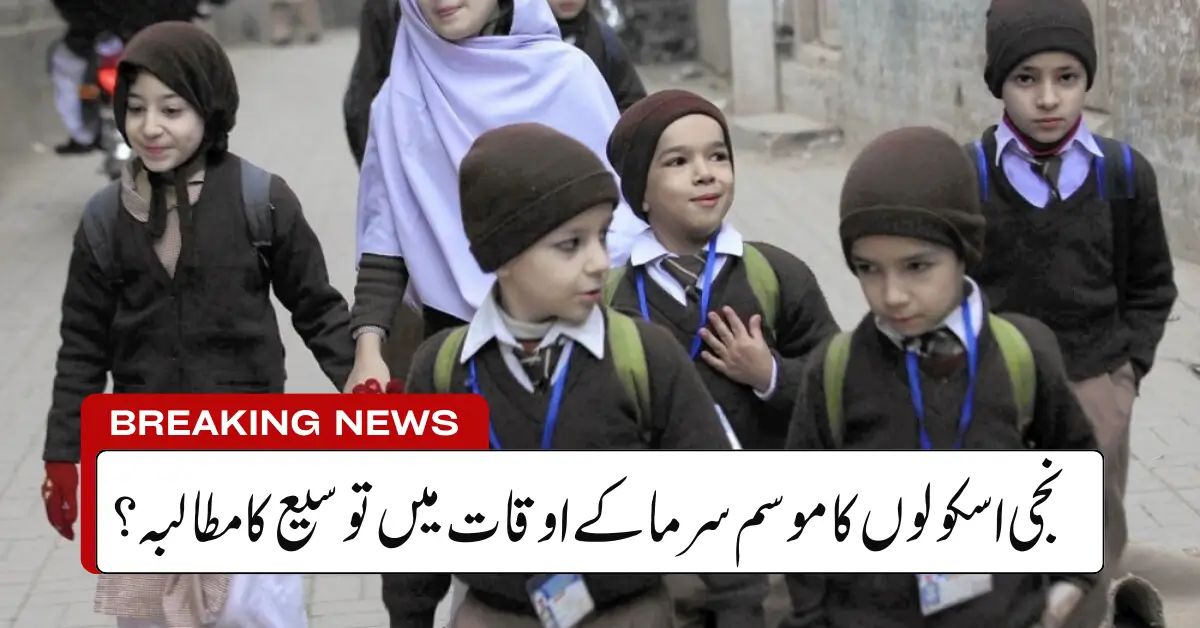
Private Schools Seek Extension in Winter School Timings

Private Schools Seek Extension in Winter School Timings

Private schools in Karachi have proposed keeping the 9 am opening time in place until January 31 due to the ongoing cold wave affecting the city and other parts of Sindh.

The All Sindh Private Schools and Colleges Association said low temperatures have disturbed daily routines, especially in remote districts, making early morning travel difficult for students and teachers.

The association’s chairman has called for an urgent meeting of the Private Schools Steering Committee to finalize an updated academic calendar. He has also urged the Sindh education minister to approve the extension without delay.

School representatives stressed that clarity is needed as the academic year moves toward its final phase. They requested the early release of exam syllabi and paper patterns to help schools plan effectively.

According to the association, timely decisions will reduce pressure on students, ensure smoother academic planning, and help schools manage schedules during the prolonged cold spell.

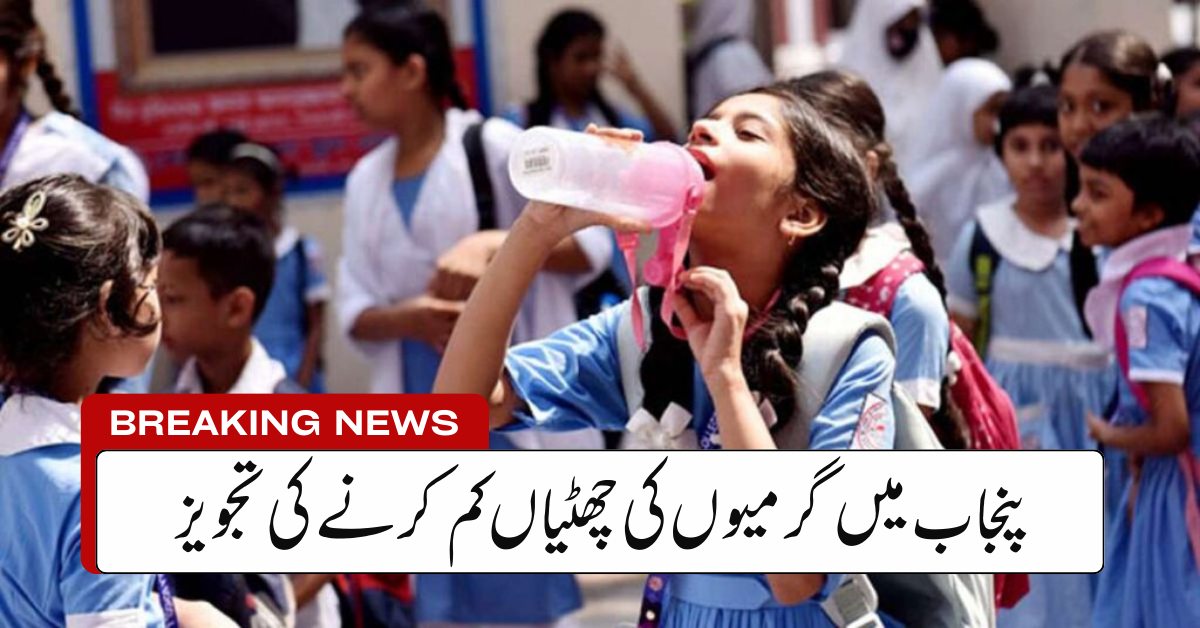
Punjab Considers Shorter Summer Vacations for Schools and Colleges

Punjab Considers Shorter Summer Vacations for Schools and Colleges

Punjab may soon see a major shift in its academic calendar as authorities move toward reducing summer vacations in schools and colleges. A special committee, formed on the directions of the Lahore High Court Rawalpindi Bench, has proposed cutting the long summer break to improve learning outcomes and ensure timely completion of syllabi across the province.

The recommendation is part of broader reforms aimed at standardizing the education system and addressing concerns over declining academic performance.

Committee Recommends 190 Teaching Days Annually

According to official details, the committee has proposed a standardized academic calendar that would require all public and private schools and colleges in Punjab to complete 190 teaching days every year. This move is intended to bring uniformity to the education system and reduce discrepancies between institutions.

The committee held three meetings over four months, with the final recommendations approved during its third session. Education officials believe that fixing the number of instructional days will help students, especially those in senior classes, better prepare for exams.

Summer Vacations Likely to Be Cut to Six Weeks

One of the most notable recommendations is the proposal to reduce summer vacations from around two and a half months to just six weeks. At present, extended summer breaks are seen as a major factor behind learning gaps and unfinished syllabi.

Under the new plan, the total number of annual holidays would be capped at 175 days, while academic days would remain fixed at 190. Education experts argue that shorter breaks could help maintain learning continuity without significantly increasing academic pressure.

Private Schools Support the Proposal

Interestingly, private school associations across Punjab have endorsed the committee’s recommendations. Many private institutions have long argued that excessive holidays disrupt academic planning and force rushed syllabus completion later in the year.

Their support is being seen as a key factor that could ease implementation, as any changes to the academic calendar typically affect both public and private sectors.

Education Department Asked to Draft Uniform Calendar

Following the committee’s findings, Special Secretary School Education Muhammad Iqbal directed the Punjab Education Curriculum and Training Authority (PECTA) and the Director Public Instruction (DPI) for secondary and elementary education to prepare a uniform academic calendar within three days.

This calendar is expected to clearly define teaching days, examination periods, and holidays, ensuring consistency across the province.

Why the Change Is Being Considered

The committee observed that the growing number of holidays each year has negatively impacted academic performance, particularly in higher classes where courses are often left incomplete. The issue was highlighted during hearings of a writ petition challenging the frequent increase in holidays.

The committee was constituted by Justice Jawad Hassan while hearing the case at the Lahore High Court Rawalpindi Bench. Its third and final meeting took place in Lahore under the chairmanship of the Secretary Schools Education.

What This Means for Students and Parents

If approved, the proposed changes could reshape the school year in Punjab, with shorter summer vacations but a more structured academic schedule. While some parents may have concerns about reduced breaks during extreme heat, officials argue that better planning and adjusted timings could offset these challenges.

The final decision is expected after the education department reviews and submits the proposed academic calendar, making this a closely watched development for students, parents, and educators across Punjab.

Islamabad Sets New Rules for Private School Registration and Renewal

Islamabad Sets New Rules for Private School Registration

The Islamabad Capital Territory (ICT) has introduced a revised and more structured framework for the registration and renewal of private educational institutions. The changes have been announced by the Private Educational Institutions Regulatory Authority (PEIRA) with the aim of improving regulatory oversight, ensuring transparency, and streamlining the process for school owners operating in the federal capital.

The new policy introduces a fixed annual timeline for renewals, clearer deadlines, and an optional long-term renewal facility, making compliance easier for institutions while strengthening regulatory control.

Fixed Annual Schedule for Private School Renewal

Under the newly announced mechanism, all private schools and educational institutions in Islamabad must apply for renewal of registration between March 1 and April 30 every year. This fixed window replaces the previously flexible approach, which often led to delays and inconsistencies.

PEIRA will review and process renewal applications by June 30, ensuring institutions receive timely decisions before the start of the new academic cycle. Where required, physical inspections will be conducted during May and June, allowing authorities to assess compliance with academic, safety, and infrastructure standards.

New Registration Applications: What Schools Need to Know

While renewals now follow a strict annual schedule, institutions seeking new registration can submit applications throughout the year. However, PEIRA has clarified that approvals for new registrations will only be issued up to April 30.

This move is intended to better align the registration process with the academic calendar and to prevent mid-year operational disruptions. Schools planning to start operations are advised to complete all documentation and submit applications well before the cutoff date to avoid delays.

Option to Extend Registration Period to Three Years

One of the key changes introduced by PEIRA is an optional extension of the registration renewal period from two years to three years. This facility is available to institutions that:

  • Pay annual renewal fees in advance for the full three-year period
  • Fully comply with regulatory requirements outlined under the 2024 PEIRA Rules

This option is expected to benefit well-established institutions by reducing administrative workload and providing longer-term operational stability.

Regulatory Amendments to Prevent Revenue Loss

PEIRA has confirmed that necessary amendments have been approved to prevent losses related to regulatory fees and to ensure better financial governance. According to the authority, the revised schedule has been designed after considering stakeholder feedback, balancing institutional convenience with regulatory accountability.

These measures aim to strengthen compliance, eliminate loopholes, and ensure that all private educational institutions operate under a uniform regulatory framework.

Legal Authority Behind the New Rules

All decisions related to the revised registration and renewal process have been taken under the powers granted by the Islamabad Capital Territory Private Educational Institutions (Registration and Regulation) Act, 2013. The authority has emphasized that strict adherence to the updated rules will be mandatory for all private schools operating in Islamabad.

What This Means for Private Schools in Islamabad

The introduction of a fixed renewal timeline, clearer approval deadlines, and flexible renewal options marks a significant step toward improving private education governance in the capital. School administrations are encouraged to review the updated schedule carefully, prepare documentation in advance, and ensure full compliance to avoid penalties or operational issues.

With these reforms, PEIRA aims to create a more predictable, transparent, and efficient regulatory environment for private education in Islamabad.

Associate Degree Annual Exams 2026: Online Admission Forms, Fees & Important Dates Announced

The examining authority has officially announced the schedule for online admission forms and fee submission for the Associate Degree in Arts, Science, and Commerce Part I & Part II Annual Examinations 2026. According to Notification No. 44 / Cond. D.S., all admissions will be processed strictly through the online system, ensuring transparency and ease for candidates.

Important Dates for Online Admission Forms

All categories of candidates—regular, late college, private, and improvement division—can submit their online admission forms from January 21, 2026, to February 20, 2026. No forms will be accepted after the closing date.

Apply Now

Fee Structure for Associate Degree Exams 2026

Below is a simplified fee table for quick understanding:

Candidate CategoryDegree ProgramFee (PKR)
Regular (Hearing Impaired)Arts / Science / CommerceNil
Late College (Part-II)Arts11,290
Late College (Part-II)Science13,040
Late College (Part-II)Commerce12,090
Private (Part-I & II)Arts11,290
Private (Part-I & II)Science13,040
Private (Part-I & II)Commerce15,225
Improve DivisionArts / Science / CommerceSame as Private

Guidelines for Candidates

  • All admission forms must be submitted online only
  • No forms will be accepted by hand or post
  • Part I admissions are open only for candidates with supply and valid chances
  • Fresh candidates are not allowed in Part-I
  • Hearing-impaired candidates are exempt from fees

Special Category: Hearing Impaired Candidates

Candidates appearing under the BA Hearing Impaired category are exempted from examination fees across all programs and categories.

Conclusion

The Associate Degree Annual Examinations 2026 admission process emphasizes efficiency, fairness, and digital convenience. Candidates are advised to complete their online forms well before 20 February 2026 to avoid last-minute issues. Staying informed and following official guidelines will ensure a smooth examination journey.